

How Do You Keep Makeup On Face
When the COVID-xix pandemic hitting, the earth inverse dramatically in as well many means to count. No 1 could have predicted or even imagined the shelter-in-place orders that rapidly spread beyond the country (and fifty-fifty the earth). With our daily lives dramatically contradistinct, millions of people scrambled to find means to fill long days of unexpected free time while trying to stay calm in the confront of mounting fearfulness and stress.
The answer for many people was to lose themselves in the fictional world of television set. TVs all over America suddenly got some pretty intense workouts as millions of viewers tuned in to watch all their favorite shows — but they didn't stop there. The magic of digital streaming also gave them an opportunity to bank check out all the movies and Television shows they had missed over the years.
But while digital streaming (every bit a whole) expanded during this fourth dimension, the shutdowns weren't benign to networks and production studios that hadn't finished filming their current seasons or were preparing to start filming their next seasons. Restrictions forced production companies to shut down, stemming the flow of new content.
From TV seasons cut abruptly short to previously live productions filmed entirely from stars' homes, the TV production world experienced some significant adjustments to make it through the spring. As the globe starts to reopen, one central question on viewers' minds is what to wait from TV moving forward. Volition TV productions render to business every bit usual by the fall, or will all the frantic changes become the new normal? Allow's take a look at what has happened so far and what the new confront of television could look like moving forward.
Filmed in Front of a Live Living Room Audience
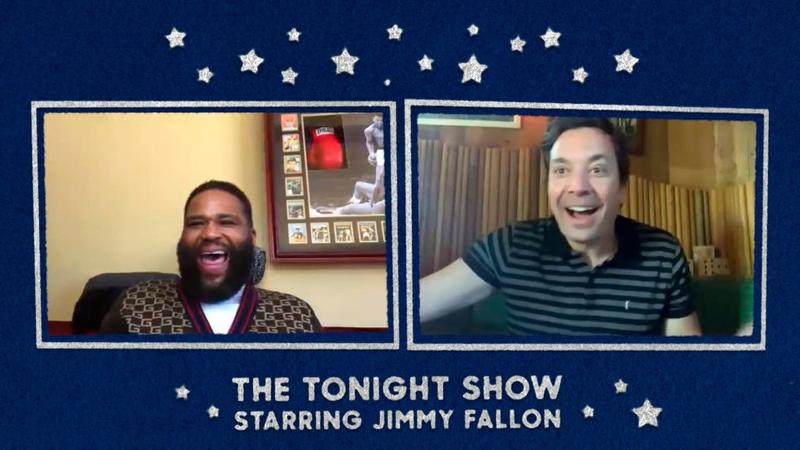
It may sound foreign under ordinary circumstances, but there'due south something oddly comforting about getting your daily news served with a big, heaping side of humour these days. If you're a fan of Last Week Tonight with John Oliver and like late-night talk shows that combine one-act with current events, and then you already know these shows had to dramatically shift their production methods to stay on the air during the pandemic.

The hosts are at present filming the shows from home in an assortment of spaces, including their garages and their own bedrooms. The investment in engineering science had to exist huge, and then it's reasonable to wonder if network executives and stars are interested in continuing with this type of format. In truth, the hosts take done a remarkable job creating entertaining content in stark circumstances, but they probably prefer the high-tech bells and whistles, and many elements of entertainment/talk shows are impossible to replicate in an isolated home setting.
(Not) Live from New York, Information technology's Saturday Nighttime!
Sat Night Live has been an American one-act institution since the variety evidence first premiered on NBC in 1975, then information technology'southward certainly not surprising that the testify's producers saw the innovation with other late-dark talk/comedy shows and wanted to exist a part of it. The testify halted live production in mid-March merely eventually developed a plan to resume product in an altered format for streaming on the internet. The first remotely produced episode aired on April 11.

To create the episodes, the cast members did the filming themselves in their own homes, prompting the temporary title Sabbatum Dark Live at Home. One of the most pop clips features Brad Pitt portraying Dr. Anthony Fauci, the director of the NIAID. The talented bandage still provided some refreshing sense of humor during a dark time, but this change isn't likely to stick. The physical humor of the cast playing off each other in a alive format simply can't be recreated from dissimilar locations.
National Sporting Events on Hold
Information technology was naturally hard for people in the U.S. to understand the seriousness of the coronavirus pandemic. The country hadn't experienced anything like it since the influenza pandemic of 1918, and the idea that a pandemic could happen again seemed like something out of a science fiction movie. For many, the get-go big attention-getter came when the NBA suspended the rest of the professional basketball flavor later multiple players were diagnosed with COVID-19.
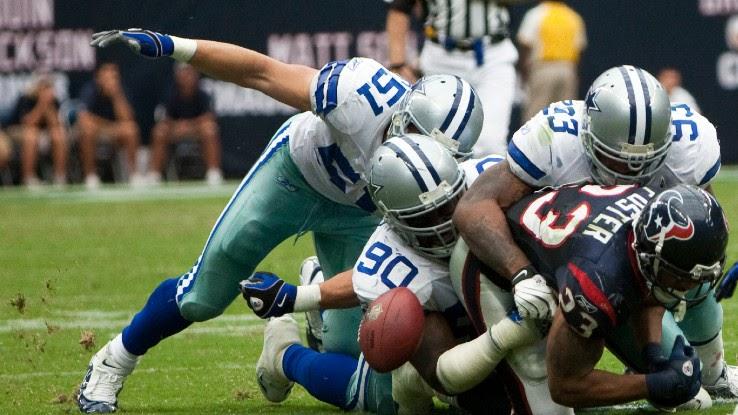
The public outcry was firsthand and loud. Professional sports programming is an integral part of Television viewing for millions of Americans, with many watching several dissimilar sports throughout the year. Sporting events also rake in billions of dollars annually for owners, players and TV networks, and so it was a definite wake-upward call for Americans when major sports leagues close down.
Fortunately for desperate viewers, the NBA resumes its season on July 31, and those televised games are sure to rack up some impressive viewing numbers. The WNBA volition likewise play televised games starting in July, and the NFL plans to play according to its normal schedule in the fall. Major League Soccer is returning for a 54-lucifer tournament that starts in July, and the NWSL starts playing games at the terminate of June that will be aired live for the first time in the U.S. Major League Baseball still hasn't come up to an agreement about how to proceed.
A Postponement on an Olympic Scale
When the Olympics coil around, the consequence captures the attending of billions of viewers all over the earth — even those who don't usually watch sports on Boob tube. When the 2020 International Olympics Committee was forced to postpone the 2020 Olympic Games to 2021 for the athletes' safe, it delivered a crushing blow to sports lovers who had already endured an abruptly halted NBA season and suffered the loss (then far) of the Major League Baseball season.
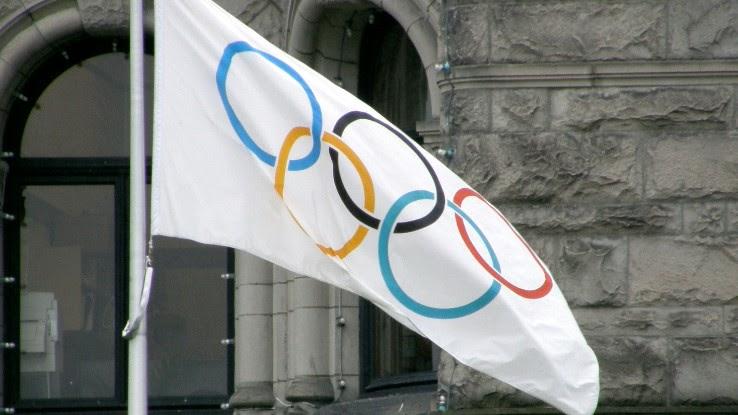
Throughout history, the Olympic Games have only been canceled three times prior to 2020, all due to war. In 1916, the Berlin (Frg) Olympic Games were canceled due to Globe War I. (The Winter Olympic Games weren't founded until 1924.) Earth State of war 2 led to the cancellation of ii series of Olympics, the 1940 Helsinki (Finland) Summertime Games and Garmisch-Partenkirchen (Deutschland) Wintertime Games and the 1944 London Summer Games and Cortina d'Ampezzo (Italy) Winter Games.
Taking a Concluding Bow Ahead of Schedule
Like it or non, even the best shows somewhen come to an end, and those last episodes are usually some of the well-nigh anticipated and watched of the show'southward unabridged run. Some series scheduled to come to an end this spring — Modernistic Family subsequently eleven years and Will & Grace after its three-year revival — were fortunate and had already filmed their final episodes when the shutdown occurred. Others were non so lucky.

The CW's Supernatural was set to wrap upwardly an impressive 15-flavour run this spring, and showrunners wisely chose to hold off on airing the last few finished episodes until the finale can be filmed. Trick's Empire took a different arroyo and took all the footage that was already taped and pieced it together to create a whole new series finale for the prove. Fans' opinions about the final product varied a great deal.
Bursting the Bubble on Some Shows
For TV shows that weren't set to end this spring, the sudden halt in production didn't cause quite every bit many problems for their storylines, although it forced some shows to finish abruptly with episodes that were never intended to be season enders. But that doesn't hateful all the shows that were finished filming will escape unscathed.
Many shows that were on the bubble, an industry term for a show that has good — but not great — ratings, particularly in targeted demographic groups, may not survive the shutdown and all the related upheaval. If a show isn't a clear money-maker — loftier ratings bring in high advertising dollars — and then the network probably won't take a chance on it later losing so much money, specially if information technology costs a lot to make the show. That means we can look to lose some shows a lot sooner than expected — and without series finales.
Binge Watching at Historically High Levels
With millions of people working from home in the midst of the COVID-19 pandemic — and millions of others unemployed and not working at all — the concept of binge watching Television has risen to a whole new level. What was once reserved for rainy days, winter nights and lazy weekends is now a full-on streaming set on that it's a little surprising all the services can handle.

Netflix lone increased their subscriber base by 16 one thousand thousand in the first quarter of 2020, a number far greater than executives ever could have predicted. The New York Times reported that 74% of American households now have at to the lowest degree i streaming subscription subsequently 2.5 million new households signed up for streaming for the start fourth dimension in the start quarter. Equally personal budgets tighten, some experts predict it will speed upwards the cord cutting that is hurting more expensive cable and satellite services, possibly driving them out of business.
Timing Is Everything — Or Aught at All
Of course, with millions of people binge watching TV and setting their own stay-at-home schedules, the idea of watching "primetime" TV has get virtually meaningless. Shows that nonetheless had episodes to air after the pandemic hit continued to air those episodes in their primetime slots, merely the massive corporeality of binge watching that accompanied it didn't have to follow those rules.

However, it's important to remember that we've officially entered the summer months when primetime TV is traditionally scarce. When the networks launch their scheduled fall programming — no matter what class it takes — they will resume airing shows on a traditional primetime schedule. How volition viewers react to the timing restriction at that point? That'south an excellent question without a definite respond until the fall rolls around.
Changes to Advertizing in a New Viewing World
Not surprisingly, advertisements started to change very chop-chop after the get-go lockdowns occurred. Smaller local Tv stations were the commencement to experience the pinch as both local and national advertisers pulled dorsum on their advertizement spending in response to plummets in consumer spending and sharp rises in unemployment.

Additionally, the pandemic inverse the focus and themes of advertising. Any time at that place's a natural disaster, worldwide crisis or fifty-fifty a positive international event like the Olympics, a lot of ads change to reflect those events. When new ads appeared on Television receiver after the onset of the pandemic, they reflected the new somber mood of the consumer culture.
Viewing Options Way Beyond the "Big Iii"
There was a time when the "big three" in TV automatically meant ABC, CBS and NBC. Now you would have to ask a viewer if they mean networks or streaming services. Many homes in America have all iii of the top streaming services: Hulu, Netflix and Amazon Prime. Although the pandemic has been unbelievably generous to those companies' bottom lines, all that streaming has also prompted many viewers to dig a picayune deeper and explore the catalogs of other streaming services.
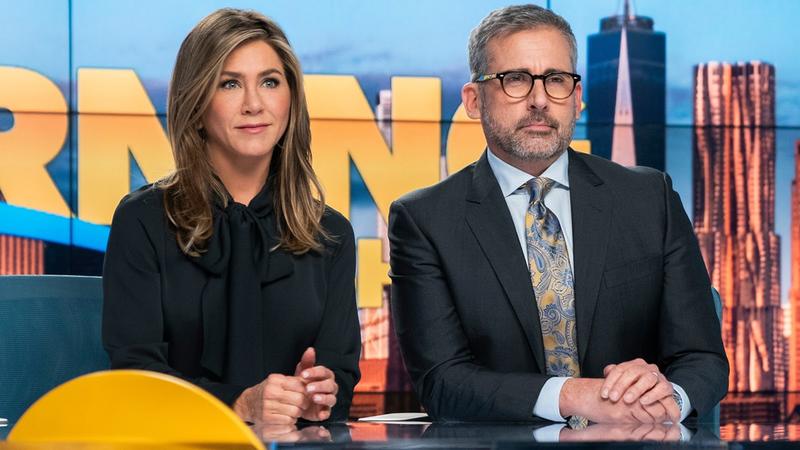
Some viewers are testing out entirely new services, while others are adding premium channels and features to their existing streaming plans. As a result of this expansion, streaming services like Sling TV, Apple TV+ and YouTube Premium are expanding their advertising to increase their aggressive growth fifty-fifty further. That could lead to an impressively long period of valuable free trials and bonus incentives.
On the negative side, it could also hateful we experience higher levels of advertisements when streaming Television set shows on services that play ads. Just as major broadcast networks and local TV stations are feeling the pinch of reduced advertising, streaming services are enjoying yet another fiscal perk of the pandemic equally brands move their advertising to these services.
Unique (and Free) Celebrity Moments
YouTube offers free video streaming to smart TVs and other devices, and many Television fans have long enjoyed browsing the site to view clips from Tv set shows, including talk shows featuring interviews with interesting and funny celebrities. YouTube content has undoubtedly enjoyed some increased views in the early months of 2020, but it may not all be viewers watching old clips, laughing at apprentice videos or learning how to fix a leaky pipe.

With picture show and Tv set productions on hold, celebrities are just like the rest of us — holed up at dwelling house and going more than a little stir-crazy. On the positive side, many of them are using some of their gratuitous time to burn off some creative energy and simultaneously entertain their fans by creating unique amateur videos of their own. Some become information technology lonely, while other stars like Meryl Streep, Audra McDonald and Christine Baranski take digitally collaborated to create fun, free content designed to make you smile — at least for a picayune while.
Will this trend concluding? It'south difficult to say, but we probably shouldn't get our hopes up. It's far more than likely that pop stars with decorated careers and families won't accept time to keep this side hobby going in the future — no matter how much their fans adore it.
A Spike in Local Television Viewers
Of class, not all the changes that have already taken identify in television are bad. Some changes, such every bit growing interest and back up for local Idiot box programming, accept helped rebuild a sense of community while bolstering local stations and producers. Naturally, some of those spikes in local viewership originated with Americans tuning in to their local news for coronavirus updates, merely many kept watching and discovered a new world of interesting local talk shows and other programming after the hard-hitting news played.

Unfortunately, local programmers have already taken pregnant financial hits with cuts in local advertising budgets all over the land. Hopefully, increases in the number of viewers volition help them bring back those advertising dollars to restore the profitability of local TV.
Time for Some TV-Assisted Home Schooling
When school systems started shutting down effectually the land, many educational based companies made the move to provide free educational materials to educators, parents and students, and that included many Idiot box networks and local Tv set stations. PBS, for example, began offering free tools to aid with educating students at home in add-on to providing programming that helped families understand the virus and how to stay safe.
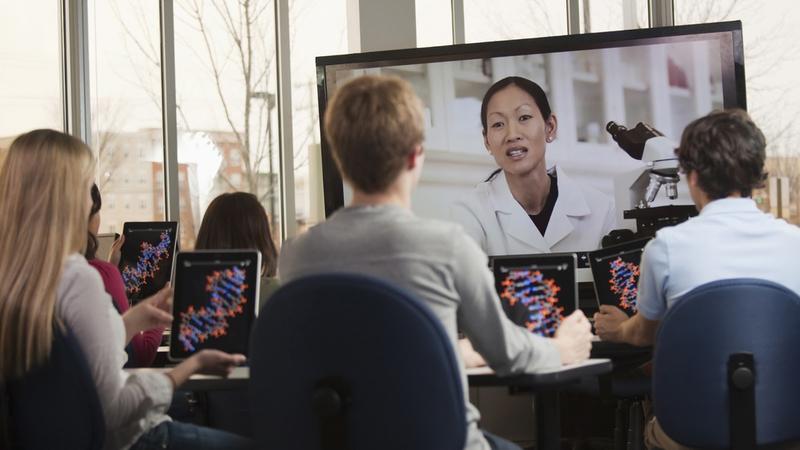
PBS Kids and many other kid-friendly networks increased scheduling for educational programs. Still, these networks also face the same challenge of not being able to create new content right at present. Fortunately, networks like The Weather Channel with its hourly scientific discipline lessons already had a useful supply of episodes ready to go.
Out with the Onetime — But Maybe Not in with the New
With all the streaming companies starting to create their ain original content, the timing of Telly production isn't exclusively tied to the jump and summertime months anymore, just it's even so standard practice for cable and circulate networks to focus on producing and testing new shows during "pilot season" in the leap. The shows the networks like are and then promoted to advertisers during the upfronts in May.

That means new scripted shows with great potential may never see the light of twenty-four hour period — at to the lowest degree for now — replaced instead by more reality TV shows and other types of unscripted programming. Afterwards all, shows like Dancing with the Stars and American Idol don't require as much pre-production fourth dimension as scripted shows with changing sets and locations. According to an commodity that appeared in Forbes, this could pb to fewer scripted shows in the coming Tv season, and that drop would likely cause even more than cord cutting and migration to streaming, which is non skilful news for cable and satellite Telly providers.
ABC recently released a tentative fall lineup, and it simply includes three new shows. Rival network NBC'due south potential roster merely has a unmarried new evidence on it. To fill in any gaps, all the networks plan to rely on previously aired programming from their partner programmers under the same corporate umbrella. For ABC, that would be services like Disney+, ESPN and Hulu, for instance. The shows would be new to their network viewers but not technically new to Telly. The full fall schedules for Fob and The CW will consist of shows they acquired from other networks or already had ready to air themselves.
Patience Is a Virtue — Now Get Set up to Wait
All 3 of the chief networks — ABC, CBS and NBC — program to keep with a schedule of new shows in the fall of 2020, but those hopeful plans are pinned on beingness able to start filming new episodes in the late summer. Ampere Analysis in the U.K. estimates well-nigh 60% of shows will have delayed premiere dates all the mode into 2021. "Initially, nosotros expect delays to cause gaps in scripted TV release schedules, which broadcasters and streaming players volition take to fill with other content."

The CW and Flim-flam appear to be much less certain that resuming production in late summer volition exist a possibility, as they have already appear plans to agree their new fall shows' premieres until January 2021. Fortunately, the long-awaited Fox mid-season programming that was scheduled to air this spring (but didn't) will exist added to the autumn schedule. At the very least, we can probably expect a delayed start of the fall TV schedules for the main networks, who are opting to proceed with summer product for now.
Tackling Product Challenges in an Uncertain Globe
Some networks are preparing to resume production this summertime, simply annihilation filmed for a while could await dramatically different than what viewers normally expect to see. In California, LA Canton has issued new guidelines for resuming filming and product in the safest way possible, and information technology includes directives to continue with social distancing. Employees working on sets must wear face coverings, and the actors will accept to contain as much distance between themselves every bit possible — the recommendation is viii feet.
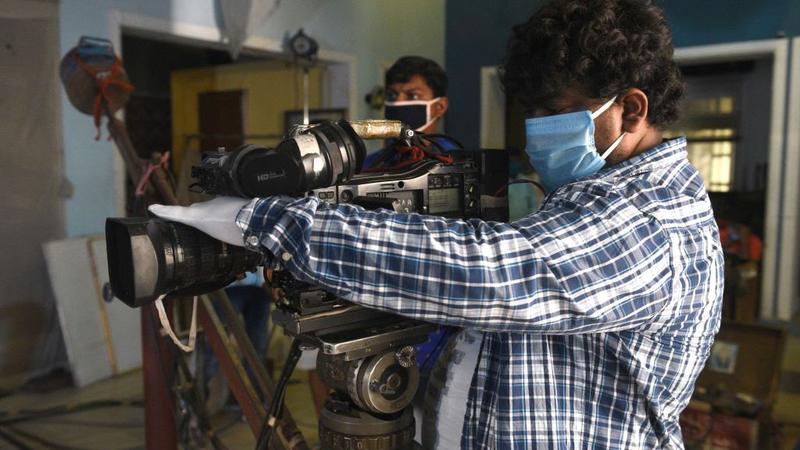
Whatever scenes requiring them to be closer than 6 feet to each other must exist short and sweet, with equally little talking as possible to minimize droplets spread through the air. Fighting scenes, intimate scenes and other scenes requiring close contact are discouraged — although they aren't outright prohibited.
Hair and makeup stylists will work with masks on and simply work on those who can't exercise their own pilus and makeup. If they are used at all, studio audiences will consist of staff members sitting at least half-dozen anxiety apart, with only 25% of the seating area filled. Everyone on the set volition be tested ofttimes, and COVID-19 Compliance Officers will monitor productions to make sure everyone follows the rules.
Obviously, these new rules for filming volition dramatically change the way many of our shows look. Medical shows like Greyness's Anatomy will accept the advantage of looking normal in operating room scenes, where the bandage already wears masks and could presumably be closer together, but you lot tin forget nearly all those steamy love scenes that brand upwardly another pregnant office of the show. In fact, you can probably forget nearly dear scenes on virtually any prove, with the exception of The Bachelorette, which has committed to testing all the crew and contestants before quarantining in a remote location for the elapsing of filming.
Lights, Camera…Virus or No Virus?
The question of whether whatever shows will cartel address the pandemic in the autumn was already answered before we made it past the spring. All Rise (CBS) was the offset scripted Tv evidence to directly address the virus, and the producers did it in a filmed-from-home, most-created setting. The episode focused on a trial that had to exist conducted virtually, merely information technology also incorporated personal moments related to the characters.

Other series, similar Social Distance (Netflix) and Dear in the Fourth dimension of Corona (Freeform), were created specifically to focus on the virus and may proceed to be produced well into the hereafter. On returning shows, writers could certainly get a lot of story mileage out of COVID-19-related issues — the practiced and the bad of forced family closeness, the risk and stress in the medical field, the regret of bringing the virus home to your family unit, etc. — but it's very hard to predict whether America will be set up to hear these stories in fictional form.
Amongst producers and writers, opinions are mixed well-nigh addressing the pandemic in the shows that many people view equally an escape from their daily lives. Some tin't wait to tackle the potential storylines, but others want to avoid the topic entirely. In the end, producers may rely on the culture of their testify to guide them. Friends was prepare in New York City merely didn't address the 9/11 terrorist attacks, while the political drama The W Fly did. Both shows satisfied their respective audiences and remained successful, so it's probable that producers and writers will do their best to guess what their particular viewers want to encounter.
For the short term, we can probably expect to encounter artistic, one-fourth dimension shows that are designed to exist uplifting and laughter-inspiring in improver to filling airtime on network TV. Network TV pic nights disappeared from TV schedules long agone but take at present made a comeback that could last for a while — at least until networks get their new season lineups set up to go.
In general, networks similar shows that feature evergreen content that will nonetheless play well to audiences far into the future. According to a TV insider, "Rooting a prove in the 2020 pandemic will essentially make it a menstruum piece," and at that place is some risk to that. We accept fictional Americas with made-upwards presidents on Boob tube, so information technology could be argued that incorporating the coronavirus into fictional shows isn't necessary — but that doesn't mean viewers won't expect it.
Source: https://www.ask.com/tvmovies/how-coronavirus-is-changing-television?utm_content=params%3Ao%3D740004%26ad%3DdirN%26qo%3DserpIndex
Posted by: phillipsonsere1940.blogspot.com
0 Response to "How Do You Keep Makeup On Face"
Post a Comment